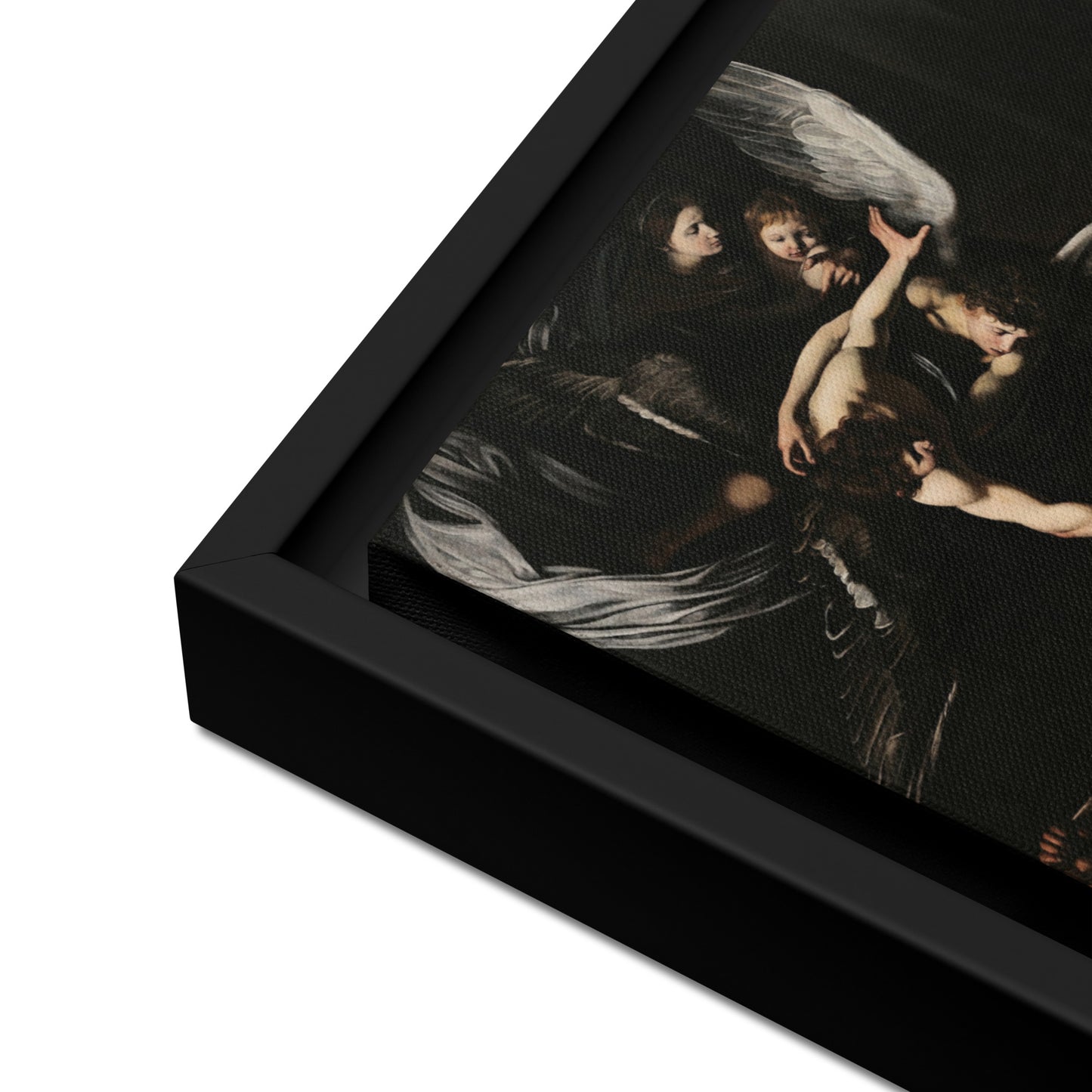
The Seven Works of Mercy Explained: The Meaning Behind Caravaggio’s Masterpiece
The Seven Works of Mercy
Caravaggio, 1607
Oil on canvas
Pio Monte della Misericordia, Naples
Caravaggio's The Seven Works of Mercy is one of the most ambitious and extraordinary religious paintings of the Baroque era. Painted in Naples in 1607, the monumental altarpiece brings together seven separate acts of Christian charity within a single crowded nighttime street scene. Rather than presenting saints and biblical figures in an idealized heavenly world, Caravaggio places mercy among ordinary people in the dark streets of seventeenth-century Naples. The result is a painting filled with poverty, suffering, compassion, and humanity, illuminated by the dramatic light that made Caravaggio one of the most revolutionary artists in history.
The painting was commissioned by the Pio Monte della Misericordia, a charitable brotherhood founded by Neapolitan noblemen to assist the poor and disadvantaged. Its mission centered upon the Seven Corporal Works of Mercy, traditional Catholic acts of compassion based largely upon Christ's teachings in the Gospel of Matthew: feed the hungry, give drink to the thirsty, clothe the naked, shelter the homeless, visit the sick, visit the imprisoned, and bury the dead. The original plan reportedly called for separate paintings illustrating these acts, but Caravaggio accomplished something far more daring by combining all seven into one enormous composition.
At first glance, the painting can appear almost chaotic, but every figure has a purpose. In the background, two men carry a corpse toward burial, with only the dead man's feet visible beneath the shroud, representing burying the dead. On the left, a pilgrim identified by the shell attached to his hat seeks lodging from an innkeeper, representing sheltering the homeless. Nearby, Samson raises the jawbone of a donkey to his mouth and miraculously drinks water from it, representing giving drink to the thirsty. Caravaggio transforms the seven acts into events occurring simultaneously, as though the viewer has stumbled upon a single extraordinary night in Naples.
In the foreground, Saint Martin of Tours performs two works of mercy at once. According to his famous legend, Martin encountered a nearly naked beggar and cut his own cloak in half to share it with him. Caravaggio shows the saint extending the garment toward the suffering man, representing clothing the naked, while his attention toward another disabled figure also evokes visiting and comforting the sick. These acts are not presented as grand heroic achievements. Instead, mercy appears through simple physical gestures between one human being and another.
Perhaps the most startling scene appears on the right. An imprisoned elderly man reaches through the bars of his cell while a young woman secretly breastfeeds him. The episode comes from the ancient Roman story known as Roman Charity, in which Pero saves her imprisoned father Cimon from starvation by feeding him with her own breast milk. Caravaggio uses this single image to represent both feeding the hungry and visiting the imprisoned. What might initially appear shocking becomes an extreme expression of filial devotion and selfless compassion.
Above the crowded earthly scene, the Virgin Mary and Christ Child appear among angels, observing the acts of mercy unfolding below. A dramatically twisting angel stretches across the center of the composition, visually connecting heaven with the suffering humanity beneath it. The contrast is essential to the painting's meaning. Divine grace is not separated from the dirty streets, prisons, sickness, and poverty of everyday existence. Instead, the sacred reveals itself through acts of compassion performed for others.
Caravaggio's revolutionary use of chiaroscuro makes that message even more powerful. Much of the canvas is swallowed by darkness, while intense beams of light suddenly reveal faces, bodies, hands, and gestures. The light does more than create drama. It can also be understood as a metaphor for mercy itself, breaking through darkness and directing attention toward moments of human compassion. Caravaggio's models appear startlingly real, with dirty feet, weathered faces, muscular bodies, and ordinary clothing replacing the polished idealism traditionally associated with religious painting.
The painting was created during one of the most turbulent periods of Caravaggio's life. In 1606, after killing Ranuccio Tomassoni during a violent confrontation in Rome, Caravaggio fled the city under a sentence of death and eventually arrived in Naples. Despite being a fugitive, he was already famous, and his arrival had an enormous influence on Neapolitan painting. The Seven Works of Mercy was among the great masterpieces produced during this exile, making its subject especially compelling: a man living under the threat of punishment created one of history's greatest paintings about mercy, charity, forgiveness, and redemption.
More than four centuries later, The Seven Works of Mercy remains in the Pio Monte della Misericordia in Naples, the institution for which Caravaggio originally painted it. Few masterpieces of its age remain so closely connected to their original purpose. It is not merely an illustration of seven Christian teachings, but a powerful argument that mercy is something practiced through action. In Caravaggio's dark and crowded world, salvation does not appear through wealth or grandeur. It appears when human beings feed, shelter, clothe, comfort, visit, and care for one another.